Willing to wait: VTA cells contribute to delayed-reward choice
A mouse study links Aldh1a1-associated inhibitory output, prefrontal input and synaptic plasticity with choosing a larger delayed reward, while reward-size discrimination can remain intact.
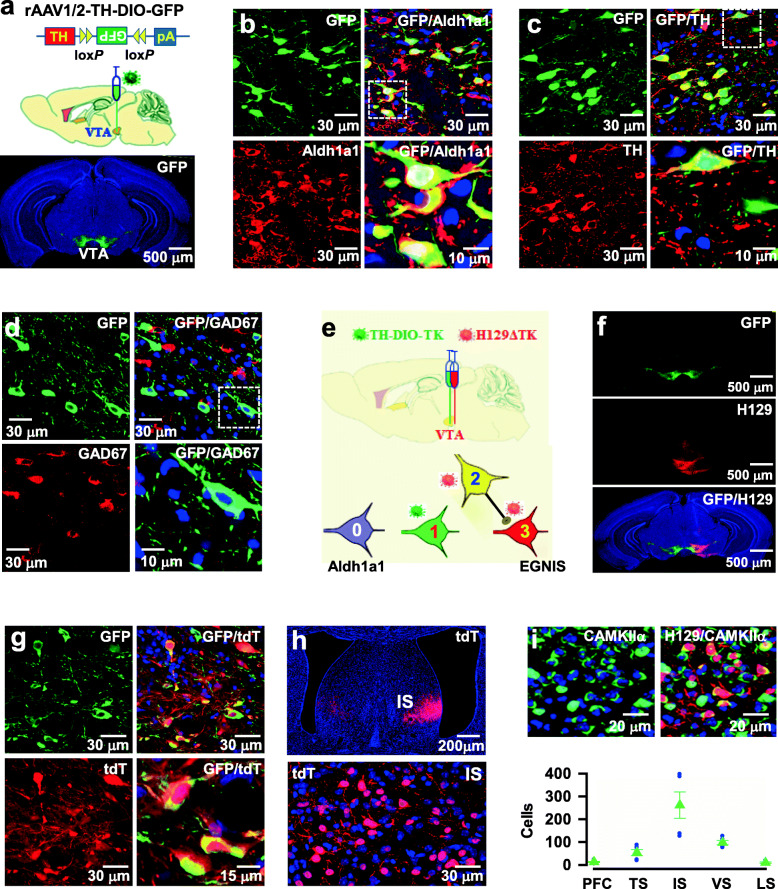
Take a smaller reward now or wait for more? Choice depends on delay as well as the ability to distinguish reward sizes. A study published in Molecular Neurodegeneration on October 26, 2021 focuses on Aldh1a1-associated cells in ventral tegmental area, or VTA. Mice lacking the molecule favor smaller immediate rewards while retaining reward-size discrimination. Inhibitory outputs and prefrontal inputs provide cellular links to that choice.
GABA output and prefrontal input involving VTA Aldh1a1-associated cells contribute to delayed-reward choice. Restoring Aldh1a1 or altering related recipient activity improves choice shifts in specific models.
Contents · 8 sections
Reward size is distinguishable, but waiting changes choice
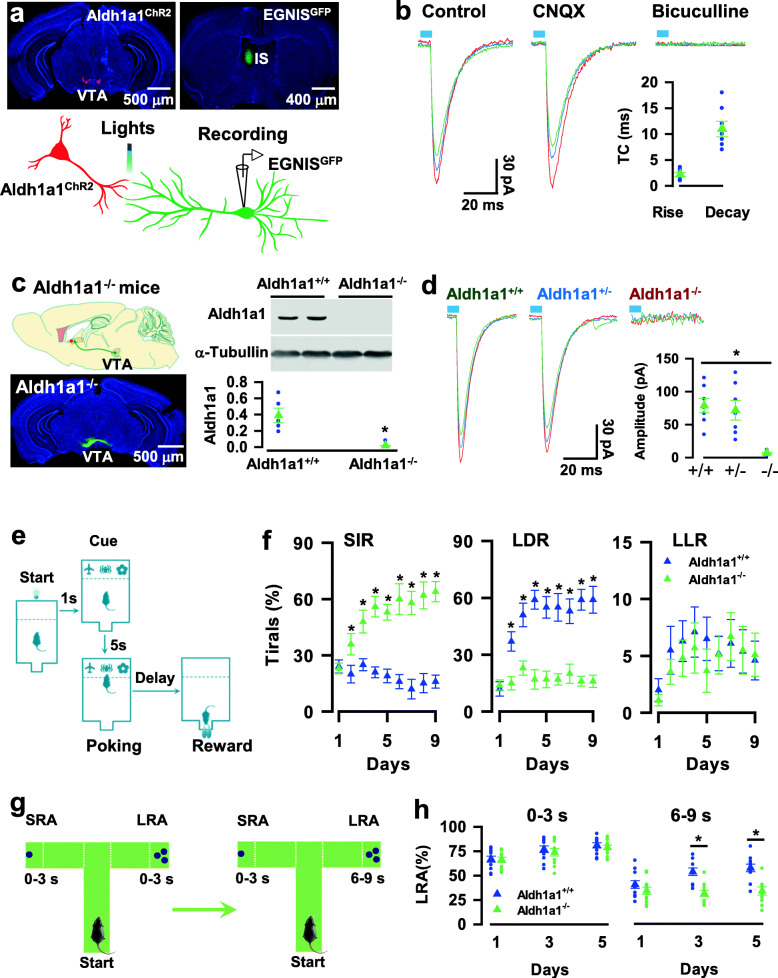
Mice lacking Aldh1a1 favor smaller, sooner rewards in two delay-choice tasks. Controls increasingly prefer a larger delayed reward with experience, while deficient mice do not develop the same preference.
With comparable delays, deficient mice still prefer the larger reward, and related accuracy and reaction-time measures do not differ significantly. The shift emerges when waiting differs, rather than from simply failing to distinguish magnitude. Longer delays can also reduce controls’ larger-reward preference.
Reported baseline activity, elevated-maze and novel-object comparisons do not show the same evident deficit. Together with reward-task controls, these observations focus the question on delayed choice rather than a general decline across behavior.
Source: Li X et al. · Molecular neurodegeneration · CC BY
Original figure and English caption ↗
A VTA population provides inhibitory input to septum
Most studied VTA Aldh1a1-associated cells also carry TH labeling but lack the classical GABA-cell marker GAD67. Their function crosses simple identity labels: recordings show GABA-associated inhibitory input to recipients in intermediate lateral septum, IS.
The recipient population is predominantly CaMKII-associated. Aldh1a1 deficiency markedly weakens the corresponding inhibitory currents, linking molecular change, cellular output and the behavioral question.
Source: Li X et al. · Molecular neurodegeneration · CC BY
Original figure and English caption ↗
Restoring the molecule improves transmission and choice
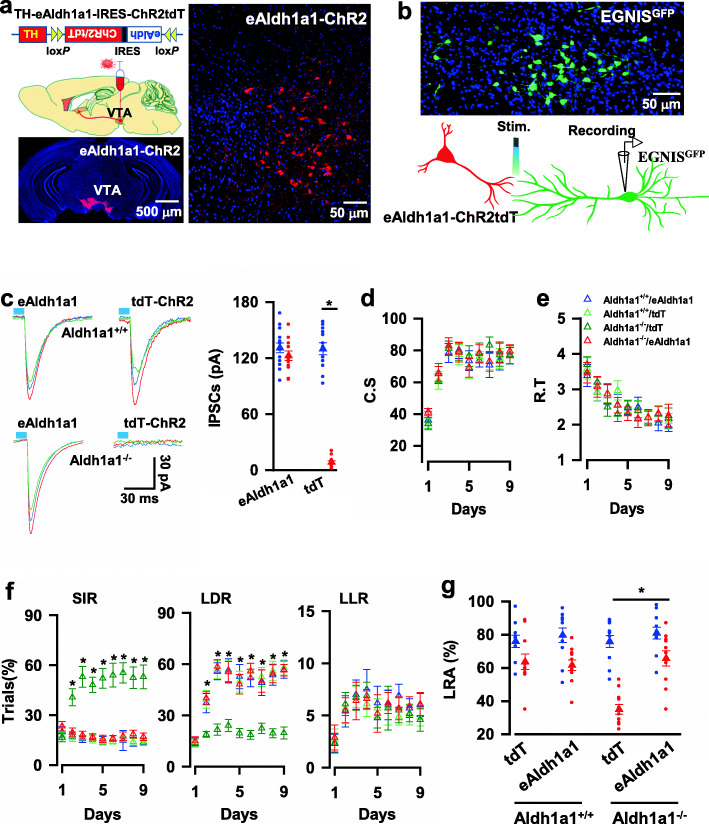
Restoring Aldh1a1 in the deficient background restores inhibitory currents, increases larger delayed-reward choice in the touchscreen task and increases visits to the larger-reward maze arm. The two tasks provide converging evidence.
Task accuracy and reaction-time comparisons do not change significantly. The recovery is more focused on delay-related choice than a general rise in every performance measure, motivating examination of the output target.
Source: Li X et al. · Molecular neurodegeneration · CC BY
Original figure and English caption ↗
Reducing output and recipient activity have different effects
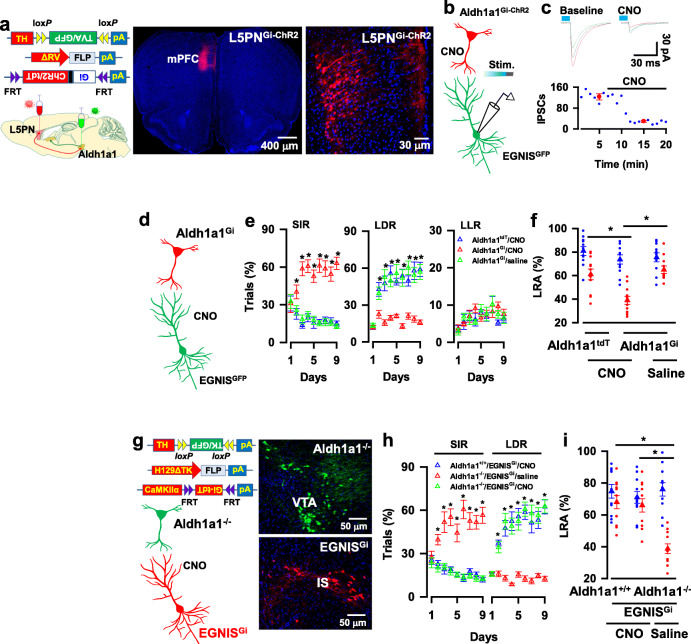
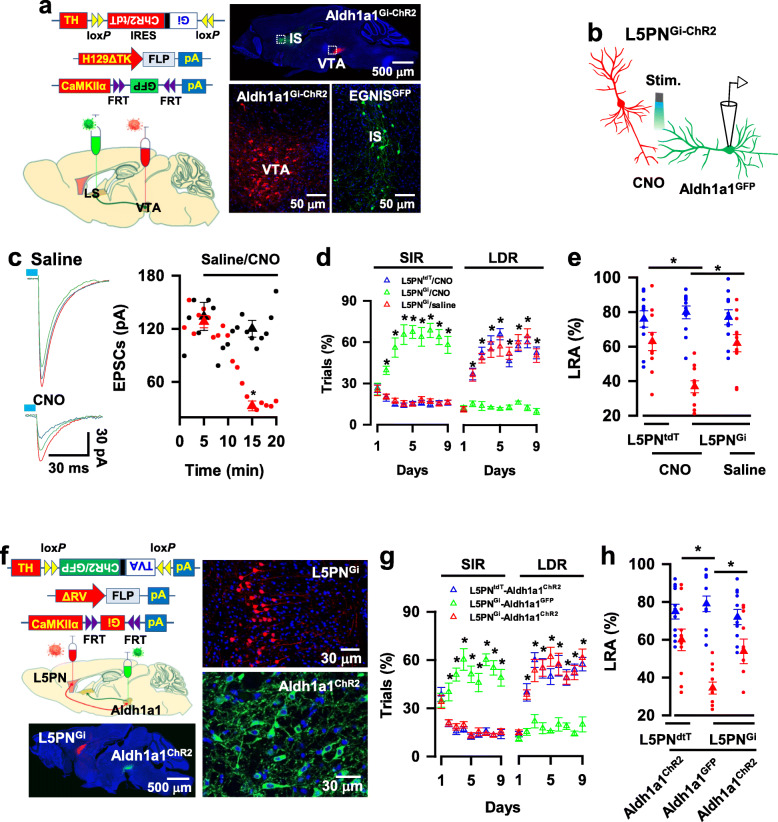
Reducing the VTA-associated output in IS reduces larger delayed-reward choice. Conversely, suppressing the related IS recipient population in deficient mice increases delayed choice, counteracting aspects of the deficiency-associated phenotype.
These differing effects fit the direction of inhibitory transmission. Weakening output and further suppressing recipients produce different outcomes, supporting a contribution of the connection while leaving roles within the recipient population unresolved.
Source: Li X et al. · Molecular neurodegeneration · CC BY
Original figure and English caption ↗
Prefrontal input brings upstream activity to VTA
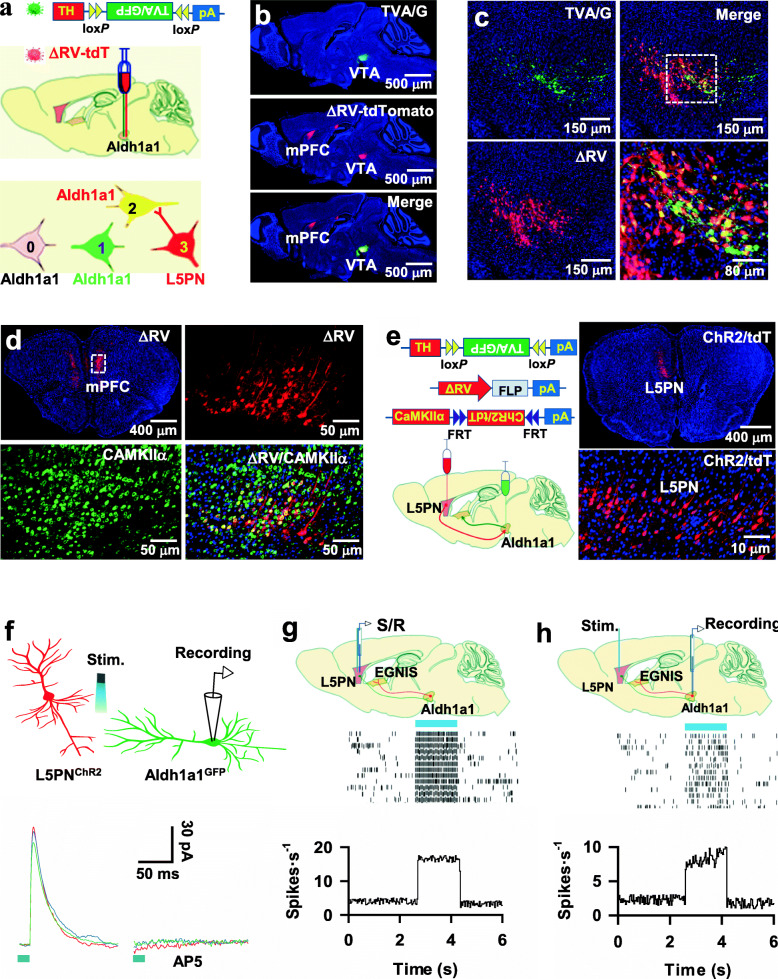
Tracing upstream identifies pyramidal cells in deeper layer5 of medial prefrontal cortex. Their input evokes excitatory responses in Aldh1a1 cells, and prefrontal activation accompanies increased firing in the VTA-associated population.
This links prefrontal cortex, VTA and IS while retaining distinct identities: upstream projection cells, recorded VTA cells and downstream IS recipients are different populations.
Source: Li X et al. · Molecular neurodegeneration · CC BY
Original figure and English caption ↗
Increasing VTA activity counteracts reduced upstream input
Reducing the related prefrontal terminals in VTA lowers delayed preference and larger-reward arm choice. Activating Aldh1a1 cells in that background increases delayed choice in both tasks.
The combined effects support an Aldh1a1 contribution to prefrontal influences on choice, while other VTA recipients and parallel network contributions remain unresolved.
Source: Li X et al. · Molecular neurodegeneration · CC BY
Original figure and English caption ↗
Animals favoring delay show different synaptic properties
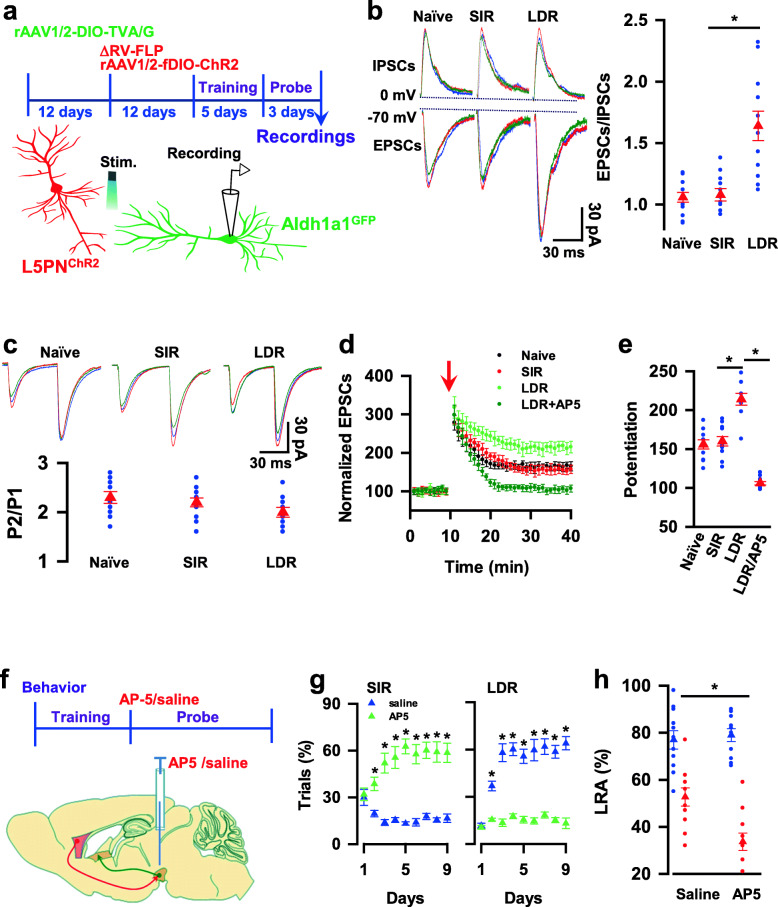
Mice favoring the larger delayed reward show a higher excitation-to-inhibition current ratio and stronger long-term potentiation in the relevant input. Inhibitory-current amplitude and paired-pulse ratios do not differ significantly.
Local NMDA receptor-related blockade also reduces delayed choice. Plasticity is therefore a candidate mechanism, while the broader pharmacological effect does not isolate potentiation at one synapse as the behavioral cause.
Source: Li X et al. · Molecular neurodegeneration · CC BY
Original figure and English caption ↗
Disease-model evidence remains focused on a specific choice
The study also reports reduced Aldh1a1 expression and inhibitory transmission alongside less delayed choice in five-month-old male APP/PS1 mice. Restoring expression improves transmission and choice, extending the findings to a disease-associated background.
The findings connect waiting-related choice to particular inputs, outputs and cellular states rather than a single broad personality trait. They concern mouse-task choices, where reward context and delay matter, without establishing recovery of all cognition or effects on human impulsive behavior.